Author: Fedon Georgiou

  • Propolis: A Natural Remedy and Its Health Benefits

    Propolis: A Natural Remedy and Its Health Benefits

    Propolis and Its Health Benefits

    Bees produce more than just honey.

    Other bee-derived products include royal jelly, bee pollen, propolis, beeswax and bee venom.

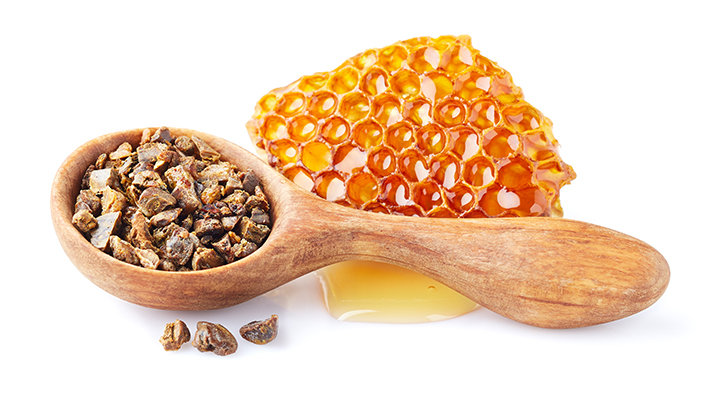
    Propolis is a resinous substance produced by bees,

    and a growing body of research suggests that it may offer several health benefits.

    What Is Propolis?

    Is a resin-like mixture made by bees by combining their saliva and beeswax with substances,

    collected from tree buds, sap flows, and other botanical sources.

    The color of propolis varies depending on the plants and trees from which the bees collect materials.

    It is commonly found in shades of yellow-green, orange-green, brown, or dark brown.

    Within the hive, bees use propolis to seal unwanted cracks and small openings.

    Larger gaps are usually filled with beeswax.

    This function is extremely important because,

    unsealed openings can allow harmful intruders such as snakes, lizards, and wasps to enter the hive.

    Scientists have identified more than 300 natural compounds in propolis, including:

    • Amino acids
    • Coumarins
    • Phenolic aldehydes
    • Polyphenols
    • Flavonoids
    • Steroids
    • Resins
    • Wax

    Potential Health Benefits

    Potential Anti-Cancer Properties

    Several studies suggest that propolis contains bioactive polyphenols with potential anti-cancer activity.

    Two of the most studied compounds are:

    • Caffeic Acid Phenethyl Ester (CAPE), commonly found in poplar propolis
    • Artepillin C, found in Brazilian Baccharis propolis

    Researchers believe that propolis may help inhibit the growth of certain cancer cells in laboratory and animal studies,

    by interfering with DNA synthesis and promoting apoptosis (programmed cell death).

    However, more human clinical research is needed before definitive conclusions can be made.

    Supports Skin Health

    The antifungal, antioxidant, and anti-inflammatory properties of propolis may contribute to skin health and wound healing.

    Studies suggest that propolis can help reduce oxidative stress while promoting the production of collagen and elastin,

    which play important roles in skin repair and regeneration.

    May Help with Candida Infections

    A study published in Phytotherapy Research reported that propolis extract helped reduce symptoms of oral candidiasis in patients with Candida infections.

    Additional research published in Journal of Medicinal Food suggests that propolis,

    may possess significant antifungal activity against multiple yeast strains, including Candida albicans.

    May Help Manage Herpes Simplex Virus (HSV)

    Infections caused by the herpes simplex virus (HSV) are common worldwide.

    Laboratory studies suggest that propolis may help inhibit the replication of both HSV-1 and HSV-2 viruses.

    While these findings are promising, further clinical research is required to determine its effectiveness in humans.

    May Support Cold and Sore Throat Relief

    Research suggests that propolis extracts may help support the immune system,

    and may reduce the duration and severity of common cold symptoms, including sore throat.

    For this reason, propolis is commonly included in throat lozenges, sprays, and other cold-relief products.

    May Help Against Certain Parasites

    Giardiasis is an intestinal infection caused by the microscopic parasite Giardia lamblia.

    It can be contracted through contaminated food, water, or contact with infected individuals.

    Some studies have found that propolis extract may help reduce parasite levels and improve recovery rates in certain cases.

    However, standard medical treatment remains the primary therapy for giardiasis.

    May Support Fertility in Women with Endometriosis

    Some research has investigated the effects of propolis supplementation in women experiencing infertility associated with mild endometriosis.

    The findings suggest that propolis may positively influence fertility outcomes in certain women,

    although larger studies are needed to confirm these results.

    Forms of Propolis

    Propolis is available in various forms, including:

    • Creams and ointments
    • Toothpastes and mouthwashes
    • Throat lozenges
    • Syrups
    • Propolis tinctures (extracts in ethyl alcohol)
    • Oral and nasal sprays
    • Dietary supplements
    • Soaps and shampoos

    Important Note

    Although propolis has shown promising results in laboratory and clinical studies,

    it should not be considered a substitute for professional medical advice, diagnosis, or treatment.

    Individuals who are allergic to bees or bee products should use propolis with caution and consult a healthcare professional before use.

    Read also: Chlorella Health Benefits

    See also: The Unique Benefits of Propolis (Bee Glue) – Dr.Berg

  • Health Benefits of Valeriana

    Health Benefits of Valeriana

    Valeriana (Valeriana officinalis) and Its Health Benefits

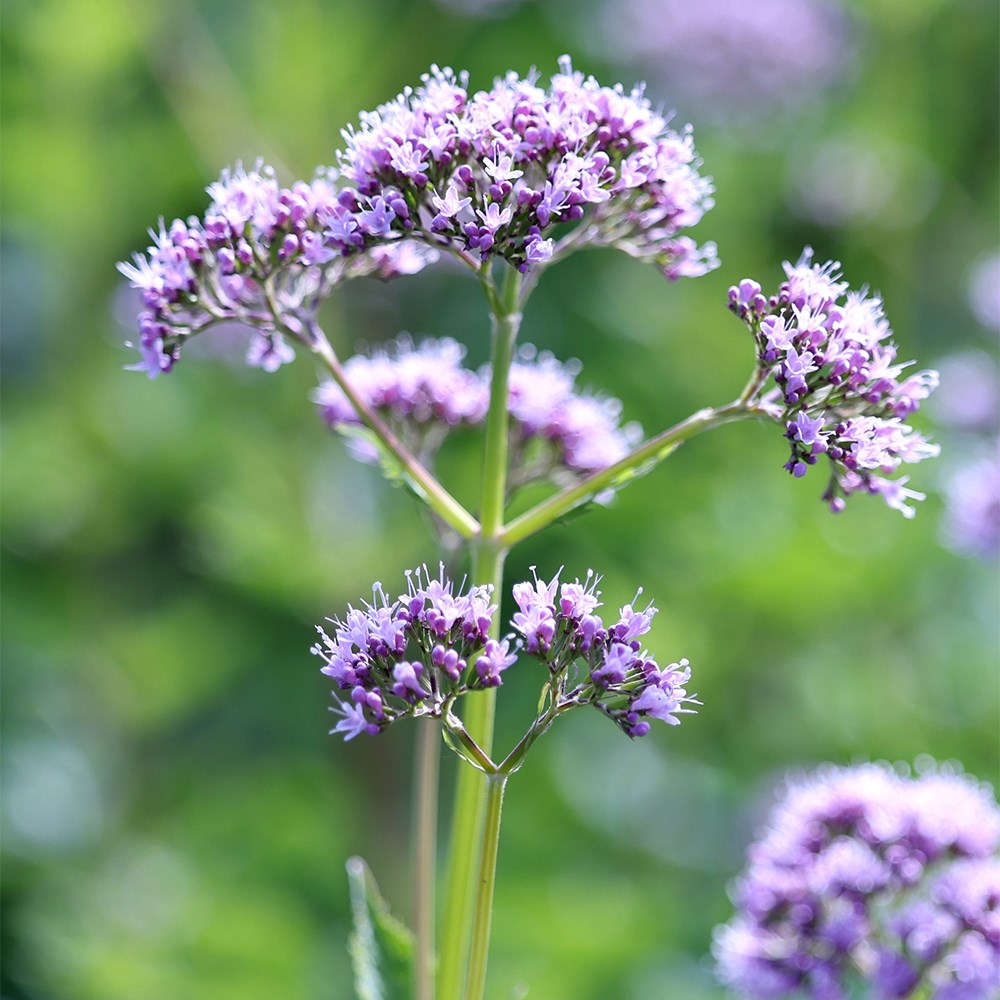
    Valeriana (Valeriana officinalis) is a perennial flowering herb belonging to the valerian family (Caprifoliaceae).

    It is commonly found near rivers and streams, in wet meadows, forests, grassy slopes, lowlands, and mountainous regions.

    The name “valerian” originates from the Latin word valere, meaning “health” and “strength,” referring to the plant’s traditional medicinal use, although some sources suggest it may also refer to its strong aroma.

    Its flowers are small and pink or white, depending on the variety, forming umbrella-shaped clusters at the top of the plant.

    The stem is tubular and slightly hairy.

    The root is fibrous and highly aromatic and is considered the most important part of the plant due to its primary therapeutic properties.

    Cats are known to eat valerian leaves to help cleanse their stomachs when experiencing digestive discomfort.

    For this reason, valerian is sometimes referred to as “cat herb” in France.

    History of Valerian

    Valerian has often been described as:

    • “The finest of all herbal sedatives,”
    • “The only plant recommended for nervous disorders,”
    • “The oldest therapeutic remedy for nervous system disturbances.”

    The Roman naturalist Pliny the Elder mentioned valerian as a remedy for nervous spasms, while several writers of the 17th and 18th centuries considered it a specific treatment for epilepsy.

    Valerian has also been used in Ayurveda for hundreds of years.

    Similarly, it has long been valued in Traditional Chinese Medicine.

    Today, valerian is commonly recommended as a calming herb for nervous conditions often experienced by women, including:

    • depression
    • spasms
    • dizziness
    • migraines
    • palpitations
    • shortness of breath
    • nervous stomach disorders
    • anxiety attacks
    • insomnia

    Health Benefits

    Calming and Relaxing Effects

    Valerian may help relieve nervous tension and anxiety.

    It is traditionally considered beneficial for nervous exhaustion, hysteria, and hot flashes.

    Researchers have found that valerian root may increase levels of gamma-aminobutyric acid (GABA), a neurotransmitter that helps regulate nerve cell activity and promotes relaxation.

    Clinical studies have reported promising results regarding insomnia.

    Valerian may help regulate brain function, making it easier to fall asleep at night while supporting better mental focus and clarity during the day.

    It is often considered a safer alternative to benzodiazepines because it is not believed to cause the same level of dependence,

    although anyone considering replacing prescribed medication should consult a healthcare professional.

    Supports Healthy Blood Pressure

    Valerian has traditionally been used to support cardiovascular health and may help with symptoms associated with stress-related high blood pressure and rapid heartbeat.

    It may promote relaxation of blood vessels and support healthy circulation.

    The same active compounds that make valerian effective for stress management may also help the body regulate blood pressure more efficiently.

    Some studies suggest that valerian supplements may contribute to maintaining healthy blood pressure levels, which can positively support overall heart health.

    Research has also indicated that valerian may help reduce both physical and psychological stress while supporting serotonin balance.

    Serotonin is a neurotransmitter involved in mood regulation.

    Promotes Better Sleep

    Clinical research suggests that valerian may help improve both sleep quality and the ability to fall asleep more easily.

    Valerian contains compounds such as linarin, which are believed to contribute to its calming effects.

    Valerian extract may enhance GABA activity in the brain, helping to calm nervous system activity and encourage restful sleep.

    May Help Relieve Menstrual Discomfort

    Valerian root may help support the natural relief of:

    • menstrual cramps
    • bloating caused by fluid retention
    • breast tenderness or swelling

    Valerian acts as a natural muscle relaxant and antispasmodic, which may help reduce uterine muscle contractions that contribute to menstrual pain.

    Uses of Valerian

    Valerian is available in several forms, including:

    • dried root extract
    • valerian powder
    • dietary supplement capsules
    • herbal tea
    • tinctures
    • liquid extracts

    It can also be used externally as an essential oil.

    Valerian appears to be most effective when taken consistently for two weeks or longer.

    Important Note

    While valerian has a long history of traditional use, it should not be considered a substitute for professional medical advice, diagnosis, or treatment.

    Individuals who are pregnant, breastfeeding, taking medications, or managing a medical condition should consult a healthcare professional before using valerian supplements.

    Read also: Health Benefits of Castor Oil

  • Prevention Mindset and Wellness – Keys to a Longer Life

    Prevention Mindset and Wellness – Keys to a Longer Life

    Prevention Mindset and Wellness – Keys to a Longer Life

    The desire for a long, healthy, and fulfilling life is universal.

    However, longevity is not simply a matter of good genetics or luck.

    A growing body of scientific evidence shows that our lifestyle, daily habits, and mindset significantly influence both the length and quality of our lives.

    Modern medicine has achieved remarkable advances in diagnosing and treating disease.

    Yet prevention remains the most powerful tool for preserving health and well-being.

    Caring for our bodies should not begin when illness appears; it should be a daily commitment reflected in our choices regarding nutrition, physical activity, mental well-being, and the environment in which we live.

    Prevention Mindset and Wellness – Keys to a Longer Life

    The Five Pillars of a Healthy Life

    The concept of preventive health is far from new.

    Dating back to the teachings of Hippocrates, good health has been associated with five fundamental pillars that remain highly relevant today:

    • Regular physical activity
    • Balanced nutrition
    • A healthy environment
    • Positive lifestyle habits
    • A constructive way of thinking

    Together, these elements contribute significantly to physical health, emotional balance, and overall quality of life at every stage of life.

    The Body’s Remarkable Inner Intelligence

    The human body is an extraordinary and highly coordinated system.

    Billions of cells are constantly renewing themselves, while the immune, nervous, and hormonal systems work continuously to maintain balance and support vital functions.

    This ability to self-regulate and adapt is one of the body’s greatest strengths.

    The healthier our habits, the better equipped our bodies are to respond to everyday challenges and maintain optimal well-being.

    The Power of the Mind and Lifelong Learning

    Research has shown that the brain retains its ability to adapt, learn, and form new neural connections throughout life.

    Continuous learning, intellectual engagement, creativity, and social interaction all play important roles in supporting cognitive health and mental wellness.

    Equally important is the power of mindset.

    Optimism, confidence in one’s abilities, and a clear sense of purpose can strengthen resilience and motivation.

    A positive outlook does not eliminate life’s challenges, but it can help us navigate them more effectively and maintain a healthier perspective.

    Prevention Is a Personal Responsibility

    Healthcare professionals play a vital role in diagnosing and treating illness. However, prevention ultimately begins with each individual. No medical intervention can replace the impact of the daily choices we make regarding our health.

    Regular exercise, nutritious eating, quality sleep, stress management, meaningful social connections, and attention to mental well-being are long-term investments that benefit both body and mind.

    Small Changes, Lasting Results

    Improving health and well-being does not always require dramatic transformations. Often, meaningful progress begins with small, consistent actions:

    • Cultivate optimism.
    • Set clear and realistic goals.
    • Make time for self-reflection and personal growth.
    • Maintain strong social connections.
    • Smile often and embrace laughter.
    • Care for your body and mind consistently.

    Conclusion

    Longevity is not simply about adding years to life, it is about adding life to those years.

    Health and wellness are the result of daily choices built on knowledge, consistency, and personal responsibility.

    By prioritizing prevention, staying physically active, eating well, and nurturing a positive mindset, we can create the foundation for a life filled with greater energy, balance, and vitality.

    Fedon Georgiou BSc, N.D, M.H.

    Naturopath – Dietician – Nutritionist

    You can read also: Mediterranean diet and health benefits

  • Health Benefits of Castor Oil

    Health Benefits of Castor Oil

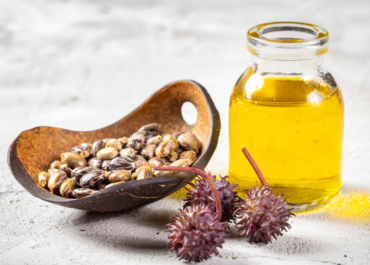
    Castor oil, derived from the seeds of the Ricinus communis plant, has been used for centuries in various cultures for its therapeutic properties.

    The castor plant belongs to the flowering spurge family called Euphorbiaceae and is mainly cultivated in Africa, South America and India.

    Research studies suggested that castor oil contains therapeutic components including:

    • fatty acids
    • flavonoids
    • phenolic compounds
    • amino acids
    • terpenoids
    • phytosterols 

    It’s known for its rich content of fatty acids, particularly ricinoleic acid, which is believed to contribute to its many potential benefits.

    Aside from its primary constituent, ricinoleic acid, castor oil also contains other beneficial salts and esters that mainly act as skin-conditioning agents.

    Some of the benefits of castor oil included:

    1. Skin Health

    Moisturizing: Is a natural emollient, meaning it can soften and hydrate the skin.

    It’s often used in skincare to treat dryness and maintain moisture, especially for rough skin areas like elbows, knees, and heels.

    Wound Healing: It has anti-inflammatory and antimicrobial properties, which may help speed up the healing of minor cuts, burns, and skin irritation.

    Acne Treatment: The oil’s antibacterial properties can help reduce acne-causing bacteria, and its anti-inflammatory effects may reduce redness and swelling.

    Anti-aging: Sometimes used in anti-aging skincare because it is thought to stimulate the production of collagen and elastin,

    which can help reduce the appearance of fine lines and wrinkles.

    2. Hair Care

    Promotes Hair Growth: Is a popular remedy for hair loss, particularly for the scalp.

    The ricinoleic acid in castor oil is thought to increase circulation to the scalp,

    promoting hair growth and preventing hair thinning.

    Improves Hair Condition: It helps to strengthen hair, add shine, and reduce split ends.

    It is also commonly used as a deep conditioning treatment.

    Treats Scalp Conditions: It’s antifungal and antibacterial properties can help treat dandruff, dry scalp, and other scalp infections.

    3. Anti-inflammatory and Pain Relief

    Joint and Muscle Pain: Can be massaged into sore joints and muscles.

    The ricinoleic acid is thought to help reduce inflammation and provide pain relief,

    which is why castor oil is sometimes used in massages for conditions like arthritis or muscle soreness.

    4. Digestive Health

    Laxative: Castor oil has long been used as a stimulant laxative.

    It works by stimulating the intestines to promote bowel movements, making it effective for constipation relief.

    Detoxification: Some people use castor oil for detoxification, as it is believed to support the lymphatic system and remove toxins from the body.

    5. Antimicrobial Properties

    Fungal and Bacterial Infections: Due to its antimicrobial properties, has been used to treat fungal infections, such as ringworm, and skin conditions caused by bacteria.

    6. Eye Care

    Relieves Dry Eyes: Some people use castor oil drops (when prepared properly) as a remedy for dry eyes or eye irritation, as it can help lubricate and soothe the eyes.

    7. Immune System Support

    Boosts Immunity: Is believed to enhance the immune system through its anti-inflammatory and antioxidant effects.

    It’s sometimes used as part of a detox regimen or to support the body’s natural defense mechanisms.

    8. Nail and Cuticle Health

    Strengthens Nails: Applying castor oil to the nails and cuticles can help prevent dryness,

    cracking, and breakage, keeping nails healthy and hydrated.

    How to Use Castor oil

    Skin: Apply directly to the skin or mix with a carrier oil (such as coconut or olive oil) for smoother application.

    Hair: Massage into the scalp and hair, leave it on for 30 minutes to an hour, and then wash it out.

    Constipation: Castor oil can be taken orally, but it should only be done under the guidance of a healthcare professional due to its strong effects.

    Inflammation or Pain: Apply the oil directly to affected areas and massage gently.

    Castor oil offers a variety of health benefits, from promoting skin and hair health to aiding digestion and relieving pain.

    Its anti-inflammatory, antibacterial, and antifungal properties make it a versatile remedy,

    though it’s essential to use it with care, especially when consumed or used for medical purposes.

    As with any natural remedy, it’s a good idea to consult with a healthcare provider before incorporating castor oil into your routine,

    particularly for internal use or if you have any underlying health concerns.

    Read also: Mediterranean diet and health benefits

    See also: Interesting Benefits Of Castor Oil – Dr. Berg

  • Candida Albicans  – Symptoms & Treatment

    Candida Albicans – Symptoms & Treatment

    Candida Albicans – Systemic Candidiasis

    One of the challenges that the human race faces today is the fungal infection known as Candida, also known as Systematic Candidiasis.

    Systemic means “in all the body”. 

    Many practitioners of classical as well as natural medicine have tried to treat Candida with varying success.

    In order to understand the treatment, one must understand how Candida behaves within its life cycle.

    Studies have shown that 90% of newborn babies have the normal, budding Candida in the gut.

    This is a unicellular cell that reproduces asexually producing a daughter cell.

    It is non-pathogenic and sits in the gut without producing symptoms and belongs to the vegetable kingdom.

    Like their “cousins” the moulds, they live all around you.

    One large family of yeasts is Candida albicans, with over 81 different species, they live harmoniously in the mouth, throat, intestines and genito-urinary tract of most humans, and is usually considered to be a normal part of the bowel flora.

    Candida Albicans is a diploid organism which has eight sets of chromosome pairs.

    Candida is one of the few microorganisms that has a diploid gene controlling the same protein, this means that it is capable of pleomorphic activity,

    being able to mutate from the budding form to the mycelia (fungal), pathogenic form.

    The problem begins when the normal, budding candida species that we all have in our gut undergoes pleomorphic changes and begins forming mycelial or hyphae forms,

    this form of Candida is pathogenic and can cause a number of symptoms.

    This happens when the internal milieu of the gut and other tissues becomes more acidic, therefore killing off many of the friendly bacteria of the Acidophilus and Bifida species.

    This can occur either through taking a variety of drugs such as antibiotics, cortisone, anti-inflammatories and chemotherapy used for cancer cases.

    The bowel flora can also drastically reduce when the pH of the body becomes too acidic,

    eating sugar and other refined products in large quantities can create this acidity.

    It appears that this change in pH can trigger genes in the Candida to begin a pleomorphic change into a stealth organism that is very active, if fed with sugar, it can increase itself from 1 to 100 cells in 24 hours.

    These 100 cells can then produce 100 each in the next 24 hours, and so on.

    And so by the 4th day we will have 100 million Candida cells. 

    Most practitioners trying to treat Canidida will concentrate on killing off the pathogenic, mycelial form,

    without addressing the significant question of converting this pleomorphic form back to the innocent budding form.

    Another reason for the large numbers of failures by health practitioners is that the internal mileau is not addressed, and also the diet, which is crucial.  

    We will come back to these important points when we discuss treatment protocols.

    Brief History of Candida

    The history of the discovery and naming of Candida extends from the ancient Greeks to modern day researches.

    200 years of medical history was recorded before the etiological agent of oral thrush, the first form of Candidiasis described, was correctly identified as a fungal pathogen.

    “Thrush” appears as whitish plagues within the oropharynx or the buccal mucosa or tongue.

    One of the main points of disputation when defining thrush was whether it originated from the host or was an infectious agent.

    Hippocrates describes oral candidiasis (around 400 B.C.) as “mouths affected with aphthous ulcerations”.

    In 1665, Pepys Diary reported “a patient hath a fever, a thrush and a hiccup”, immortalize the idea that oral thrush establish from the host.

    A few clinicians and mycologist persuaded popular beliefs around the idea of an infectious agent causing thrush.

    In 1771, Rosen von Rosenstein defined an invasive form of thrush.

    In 1839, Langenbeck was credited with first recognizing a fungus in a patient with typhoid fever.

    He describes in detail what is now referred to as septate hyphae, branched pseudohyphae and blastoconidia.

    However, he recognized the entity to the typhoid bacterium rather than the fungus.

    In 1844, J.H. Bennett observed a similar fungus in the sputum and the lungs of a patient with a pneumothorax and criticized the conclusion by Lagenbach.

    The morphologic description of Bennett was essentially that as described by Langenbeck.

    Bennett concluded that the disease was “indicative of great depression of the vital powers and impairment of the nutritive functions of the economy”.

    Berg, 2 years later, overtly concluded that thrush was caused by a fungus and found that spread could occur from communal feeding bottles.

    He also stated “descriptions of the disease unsupported by demonstration of the fungus could not confirm the diagnosis”.

    He was able to reproduce the infection in healthy children and thereby confirmed his hypothesis that the fungus caused the infection.

    While Langenbeck in 1839, first documented the fungus associated with thrush, he failed to make the direct connection.

    In 1847, French mycologist, Charles Philippe Robin, classified the fungus as Oidium albicans using Albicans to name the fungus causing thrush.

    Hill and later Martin and Jones misclassified Candida into the genus Monilia, a genus containing fungi that commonly grow in plants.

    Clinicians referred to the etiology of thrush as “Monilias” even with the fact mycologists had already through light on the morphological differences between the fungus linked with thrush and the fungus in the genus Monilia.

    Christine Berkhout and others noted these differences, particularly, the ability of this fungus to infect humans.

    Berkhout reclassified it under the current genus Candida, in 1923. 

    Berkhout’s taxonomy was later make known by the French mycologist,

    Maurice Langeron and Paul Guerra as “the beginning of the rational systematics of the non- ascosporogenous yeasts”.

    Other Factors Creating Pathogenesis

    The pathogenesis of disease associated with Candida in humans is driven by multitude factors.

    Some strains of candida produce gliotoxin, which may impair neutrophil function.

    However, candida is a polyantigenic organism containing up to 178 different antigens,

    which might explain the number of cross-reactions to yeasts, moulds and even human tissue.

    It was shown recently that there is a potential cross reactivity with gluten because of several amino acid sequences that are highly homologous to alpha-gliadin and gamma-gliadin.

    Such a mechanism might lead to wheat intolerance with its accompanying symptoms, and even trigger Celiac disease in genetically susceptible people.

    Furthermore, a placebo-controlled crossover study has revealed that dietary yeast may affect the activity of Crohn’s disease.

    Candida produces alcohol and contains glycoproteins, which have the potential to stimulate mast cells to release histamine,

    and apparently prostaglandin-inflammatory substances which could cause IBS-like symptoms.

    Candida is sensitive to a number of antifungal agents, such as Nystatin, which is not absorbed from the gastrointestinal tract after oral administration.

    It destroys Candida by binding to sterols in the cell membrane, and thereby increasing permeability with loss of cellular contents.

    When other health conditions become involved, Candida becomes known as Candida-related complex (CRC).

    CRC, an excess of Candida in your system can cause a host of uncomfortable signs and symptoms which are syndromes within themselves such as:

    • chronic fatigue syndrome
    • hypoglycaemia
    • leaky gut syndrome
    • fibromyalgia
    • allergy or sensitivity
    • hormonal
    • thyroid and adrenal dysfunction

    This syndrome isn’t caused by Candida itself present in our mucosal tissues that cause irritation, inflammation, itchiness,

    redness and pain but by the amount of metabolites yeast colonies release inside the human colon when they exceed tolerable amounts.

    Patients with CRC often have widespread symptoms affecting multiple organs systems such as:

    • Gastrointestinal symptoms
    • Chronic allergies
    • Unexplained fatigue, always tired
    • CNS fog, mood swings, depression
    • Skin rashes, fungal infections
    • Cravings for sugar, bread, beer

    Toxicity in the colon affects the health of the whole body particularly if one’s elimination is slowed as in the case of constipation due to an imbalance in intestinal flora.

    The delicate hormonal and chemical balance that orchestrates our emotional health can also be affected causing symptoms of mental illness.

    Everyone can be Affected with Candida!

    Anyone can be infected with Candida today!

    Women can be infected because of antibiotics, steroids, anti-inflammatory medications, hormones and birth-control pills.

    Men are also being infected with Candida from antibiotics, steroids, anti-inflammatory drugs, pain medications,

    and sexual relations with an infected partner (even though this often results in a topical infection, not a systemic spread).

    Teenagers get Candida from routine treatment with tetracycline or other antibiotics for acne.

    Babies have Candida from the birth canal or breast milk of the infected mother.

    That is why babies often have thrush (a white- coated tongue), which is a yeast infection. 

    Millions of people all over the world are infected with Candida.

    It is estimated that at least one out of three people in the Western world are affected.

    Because so many of our population can be infected and because so many factors can cause the condition, Candida is an enormous health problem today.

    Candida coexists in our bodies with many species of bacteria in a competitive balance.

    Other bacteria act in part to keep Candida growth in check in our body ecology, when health is present, the immune system keeps Candida proliferation under control,

    but when the immune response is weakened, Candida growth can proceed unchecked.

    It is an opportunistic organism, one which, when given the opportunity, will attempt to colonize all acidic bodily tissues,

    this is one of the reasons why it is present in all tumours as they have a very acidic pH.

    This uncontrolled growth of Candida is known as “Candida overgrowth” or “Candidiasis”.

    Upsetting the Ecological Balance of the Body

    Unfortunately, there are many factors in our modern society that can upset the ecological balance of the body, weaken the immune system and thus allow the yeast to overgrow.

    The major risks factors are:

    • Steroid hormones, immunosuppressant drugs such as cortisone, which treat severe allergic problems by paralyzing the immune system’s ability to react.
    • Pregnancy and birth control bills which upset the body’s hormonal balance
    • Diets high in carbohydrate and sugar intake, yeast and yeast products, fermented foods
    • Prolonged exposure to environmental moulds
    • Antibiotics and sulpha drugs – probably the chief perpetrator of all-antibiotics that kill ALL bacteria, good and bad. They do not distinguish good bacteria from bad. Antibiotics kill the “good” flora which normally keeps the candida under control. This allows for the unchecked growth of candida in the intestinal tract. It is normally difficult to recover a yeast culture from bodily surfaces.

    In a variety of ways the same thing happens with the use of steroid drugs, such as cortisone.

    All steroids, including the contraceptive pill, will have a depressing effect on the immune system, as well as killing off friendly bacteria in the body.  

    Yeast infections are common in those that take repeated or prolonged courses of amoxicillin, ampicillin, ceclor, keflex, tetracycline or other broad- spectrum antibiotics during infancy, childhood, adolescence, or since you are become an adult.

    Mycotoxins

    Toxic waste from mucotoxins from candida infestations can also be absorbed into the bloodstream causing “yeast toxin hypersensitivity”,

    leading to many symptoms such as anxiety, depression and impaired intellectual functioning.

    The main toxin implicated here is acetaldehyde, which is a normal by-product of metabolism, produced in small amounts and rendered harmless by the liver.

    If however, there is excess production of this by Candida, particularly in low-oxygen environments, and a lack of the appropriate liver enzymes,

    which tend to be deficient in 5% of the general population – the acetaldehyde will become bound strongly to human tissue.

    This may cause impaired neuro-transmission in the brain, resulting in anxiety, depression, defective memory and cloudy thinking.

    Some 40 – 60% of all immune cells in our body are in the gut.

    The immune system may also concurrently be adversely affected by poor nutrition, heavy exposure to moulds in the air,

    as well as an increasing number of chemicals in our food, water and air, including:

    • petrochemicals
    • formaldehyde
    • perfumes
    • cleaning fluids
    • insecticides
    • tobacco and other indoor and outdoor pollutants

    Exclusively, yeasts tend to secrete a toxin called gliotoxin,

    which can disrupt the immune system by inactivating enzyme systems and producing free radicals, thus interfering with the DNA of leukocytes.

    The resulting lowered resistance may not only cause an overall sense of ill health, but may also allow for the development of respiratory, digestive and other systemic symptoms.

    One may also become predisposed to developing sensitivities to foods and chemicals in the environment.

    Heavy metals such as mercury and others are found in higher amounts when Candida is present,

    as the Candida yeasts actually store the metals in their cells – these metals are then released when the Candida die during treatment.

    This is why it is important to undergo a natural, heavy metals detox while treating Systemic Candidiasis.

    Dietary factors

    Sugar is the chief nutrient of Candida Albicans.

    Candida Albicans thrive on all sugars, sweeteners, natural sugars in fruits and fruit juices, as well as too many complex carbohydrates.

    There are several reasons to restrict or eliminate the intake of milk in patients with chronic candidiasis:

    • High lactose content promotes the overgrowth of Candida
    • Milk is one of the most frequent food allergens
    • Milk may contain trace elements of antibiotics, which can further disrupt the gastrointestinal bacterial flora and promote Candida overgrowth 

    Do you have Candida? How do you know you have it?

    The patient’s history and symptoms is usually the key to arriving at a diagnosis.

    There are a wide variety of signs and symptoms that are prevalent in Systemic Candidiasis, being able to score these systematically provides a good, overall pictures.

    Dr. Crook’s Candida questionnaire is very helpful as it enables the patient to score their symptoms and arrive at a number,

    anything above 180 for women, and 140 for men is highly significant and represents the majority of symptoms that relate to the Candida.

    There also other testing procedures for picking up the Candida, using the Vega biodermal screening,

    a form of Bioresonance testing initially invented by Dr Voll and later adapted by Dr Schimmel.

    The VRT represents an advanced development of the electroacupuncture according to Voll (EAV) concept.

    It features a combination of electronic measurements of skin resistance on specific energy meridian points (acupoints),

    that disclose vital health information through vegetative (autonomic) reflexes and resonances.

    The VEGA device is capable of highlighting the causes of illnesses by using homoeopathic biosonodes,

    this is usually a small portion of diseased tissue from a diseased organ that is ground up and made into a homoeopathic remedy.

    When a particular biosonode that is placed on the honeycomb on the VEGA device induces a resonance reaction in the acupoint,

    then this infers a relationship between the diseased organ being tested and the related organ of the patient.

    Even bacteria, viruses, fungi, stealth organisms and more can be tested for resonance with the patient and identified much quicker than any other type of biological testing.

    Another method of testing the Candida is to use a form of kinesiological muscle testing called Autonomic Response Testing (ART),

    invented by a German neurologist Dr. Dietrich Klinghardt, M.D. Ph.D. ART grew out of the importance of detecting and correct problems of the autonomic nervous system (ANS).

    ART allows the practitioner to correct the problems of the ANS and to help restore the self regulating mechanism of the body allowing the patient to return to a state of health.

    To date, there is no conclusive blood or clinical test for diagnosing pathogenic Systemic Candidiasis.

    In time to come there will probably be genetic tests that can determine the genomone of the mycelial, pathogenic Candida.

    Let us now examine the concept of treatment which is quite complex if one really wants to succeed.

    There are numerous approaches to treating Candida which are used by medical doctors,

    using medicinal anti-fungals, to naturopaths and nutritionists using a variety of natural products to kill off the Candida.

    All these treatments are rampant with problems that end up in the patient feeling better initially, only to find that the Candida “creeps back” again after a few months.

    I have been using a treatment protocol for years called ”Da Vinci Candida Treatment protocol” with a huge success!

    Read also: Food Intolerances – Causes of inflammation?
  • Coffee Enemas

    Coffee Enemas

    Coffee Enemas were listed in the old medical literature “as a method of helping the body rid itself of toxins and accumulated waste products”.

    One of the best liver cleansers is a coffee enema.

    A coffee enema is a low volume enema that stays in the sigmoid colon, the s-shaped last part of the large intestine.

    There is a special circulatory system between the sigmoid colon and the liver, called the “entero-hepatic circulation system”.

    When the stool reaches this point, it is full of putrefied material and toxins.

    These toxins are sent directly to the liver for detoxification rather than being circulated throughout the body.

    A coffee enema speeds up the emptying of the bowel, increasing the emptying speed of the liver ducts holding detoxified materials.

    This allows the detoxification process to proceed at a faster pace.

    Coffee enemas are known to help flush out bacteria, heavy metals, fungus and yeast (like those responsible for candida symptoms, for example) from the digestive tract,

    including the liver and colon, while also lowering inflammation, therefore helping people restore bowel function,

    increase their energy levels and heal from disorders that have caused them trouble for years.

    A coffee enema makes the liver empty the toxins it has accumulated in the bile ducts.

    The caffeine that is absorbed into the “entero-hepatic system” causes this unloading of toxins,

    allowing other toxins in the body to filter into the liver to be detoxified.

    Coffee enema does not wash out minerals and electrolytes.

    Important nutrients have already been absorbed higher in the bowel, long before the food residue reaches the sigmoid colon.

    People who are sensitive to coffee or do not tolerate caffeine, do not usually have any problems with the coffee enemas,

    because the coffee stays in the sigmoid colon, and the caffeine goes only into the entero hepatic circulation system, and so it is usually safe to use.

    Making the coffee enemas:

    Bring ½ litre of quality water to boil, add 1 full tablespoon of ground (not instant), preferably organic coffee. Let boil for 3 minutes and let stand and cool for 20 minutes.

    Strain well.

    Add to your enema water alternatively use only coffee. Retain in the colon from 3 to 10 (max. 20) minutes.

    Should you feel “wired” or “hyper” as a result of coffee enemas, or if you have palpitations or irregular heart beats, reduce the amount of coffee by half.

    Use coffee enemas as often as needed, the usual frequency is around three times per week.

    Coffee enemas may be used at any time to clear chemical overloads and allergic reactions.

    Caution: People with gallstones should not take coffee enemas.

    Read also: Why water is important to human health?

    Watch also: The Secret Benefit of Coffee Enemas [not for everyone] 2023

  • Chlorella Health Benefits   

    Chlorella Health Benefits  

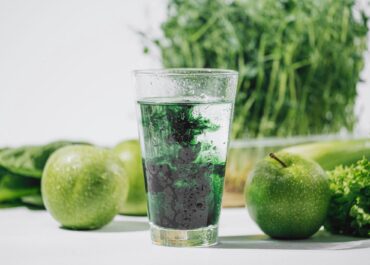
    Chlorella is a green unicellular microalgae and is a cousin of spirulina, with many health benefits.

    There are over 30 different species, but two types are commonly used, Chlorella vulgaris and Chlorella pyrenoidosa.  

    It was discovered by a Dutch microbiologist, Dr. Beijerinck in 1890 – he observed the cells under his microscope.

    It is deriving name from the Greek ‘’chloros’’ meaning green and Latin diminutive suffix ‘’ela’’ meaning small.

    Until so far chlorella contains the highest amount of chlorophyll of any known plant.

    In the wild, chlorella is able to reproduce rapidly through the process known as photosynthesis.

    All it needs to grow and multiply is water, sunlight, carbon dioxide and a small quantity of minerals.

    However, chlorella has been around for aeons – for billions of years since the beginning of planet Earth.

    What are the ingredients found in Chlorella?

    It provides an amazing amount of essential nutrients such as high level of chlorophyll, nucleic acids (RNA and DNA), beta-carotene, vitamins, minerals including iron, calcium, potassium, magnesium, phosphorus, pro-vitamin A, vitamin C, E and K, B vitamins, biotin, inositol and folic acid.

    Actually, scientists have not yet named all the nutrients found in chlorella.

    What are the health benefits?

    Studies suggested that chlorella benefits the entire body by:

    • supporting healthy hormonal function
    • promoting cardiovascular health
    • helping to negate the effects of chemotherapy and radiation
    • lowering blood pressure and cholesterol
    • detoxifying our body

    Chlorella can wraps itself around even stubborn toxins residing in our bodies, such as lead, cadmium, mercury and uranium and keeps them from being reabsorbed.

    In one randomized, double blinded, placebo-controlled trial study, published in 2012 in the Nutrition Journal,

    researchers found that chlorella supports a healthy immune system response and helps Natural Killer cell activity.

    Another study published in the Journal of Medicinal Food, researchers found that doses of 8,000 mg per day helps lower cholesterol and blood glucose levels.   

    Heavy Detox Metals

    Detoxifying from Heavy metals are very important for our overall health and wellness,

    because every day we are bombarded with chemicals in pesticides and fungicides from the vegetables that we eat,

    heavy metals such as mercury from amalgam fillings and fish products, cadmium from smoking, lead and arsenic from pollution,

    plastics containing Bisphenol A, paints, fuels, rubber, hair restorers,  arsenic is given to chickens as a growth promoter and the list continues. 

    Chlorella is well known for its ability to “detox.”

    Animal studies indicate that it’s effective at helping remove toxic or heavy metals and other harmful compounds from the body.

    In animals, algae, including chlorella, has been found to weaken the heavy metal toxicity of the liver, brain and kidneys.

    Furthermore, chlorella has been shown to help lower the amount of other harmful chemicals that are sometimes found in food.

    One of these is dioxin, a hormone disruptor that can contaminate animals in the food supply.  

    How to choose a good chlorella supplement 

    There are many concerns about finding good quality, clean chlorella that is void of heavy metals and xenobiotics.

    When purchasing a chlorella supplement, you need to make sure to but ‘’cracked cell wall chlorella’’ because they are completely absorbable. You also want to look for a brand that is organic. 

    We have searched and travelled far and wide and found an excellent source that is provided with a certificate of Analysis with each pot.

    This chlorella comes from the western coast of Hai-Nan Island, China’s southernmost island. Hai-Nan Island is a tropical island with an excellent climate and lies on the same latitude as Hawaii.

    The non-industrialized, pollution-free, tropical island offers favourable growth conditions for chlorella, including intense sunlight, pure water, and clean air.

    Scientists in the 1960’s realised that it was literally impossible for humans to digest chlorella in its natural state due to its tough cell walls that encapsulate its beneficial nutrients. 

    The cells in HMD™ ORGANIC CHLORELLA are therefore cracked to open up the cell and make it digestible.

    Read also: Mediterranean diet and health benefits