Valeriana (Valeriana officinalis) and Its Health Benefits
Valeriana (Valeriana officinalis) is a perennial flowering herb belonging to the valerian family (Caprifoliaceae).
It is commonly found near rivers and streams, in wet meadows, forests, grassy slopes, lowlands, and mountainous regions.
The name “valerian” originates from the Latin word valere, meaning “health” and “strength,” referring to the plant’s traditional medicinal use, although some sources suggest it may also refer to its strong aroma.
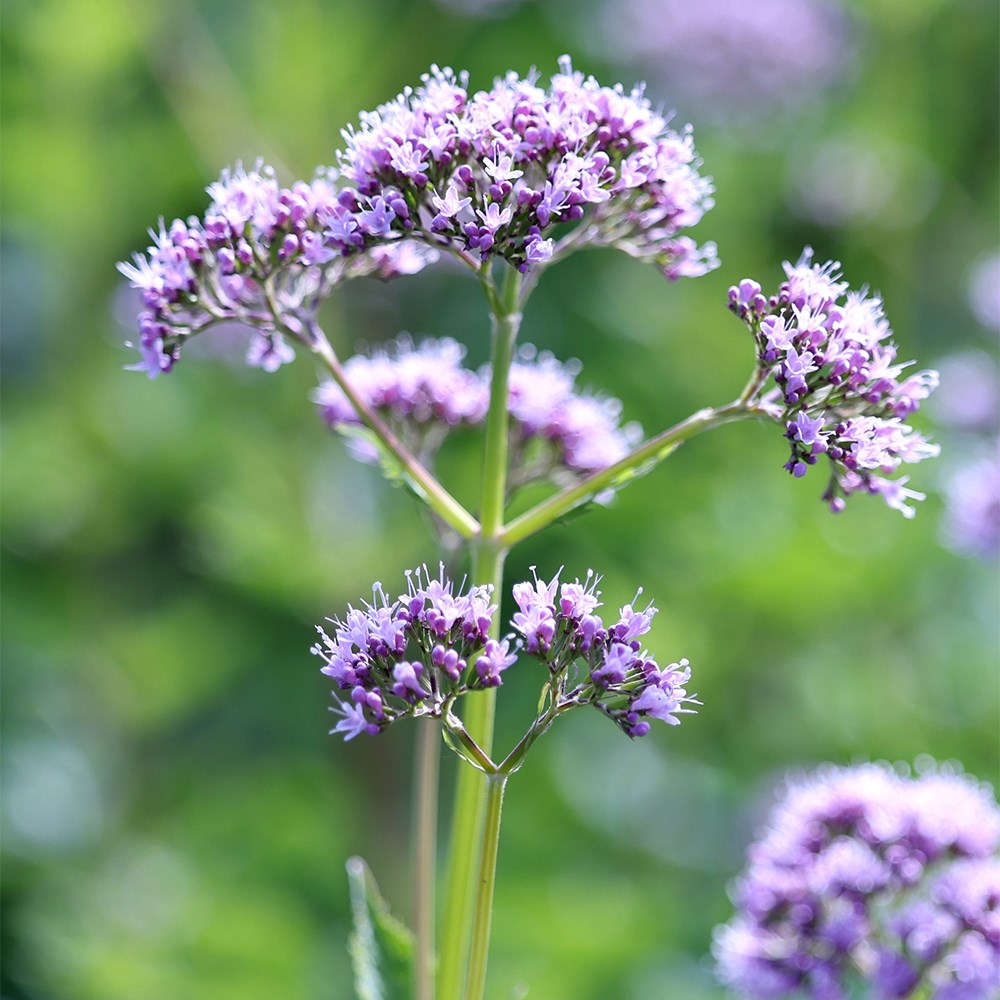
Its flowers are small and pink or white, depending on the variety, forming umbrella-shaped clusters at the top of the plant.
The stem is tubular and slightly hairy.
The root is fibrous and highly aromatic and is considered the most important part of the plant due to its primary therapeutic properties.
Cats are known to eat valerian leaves to help cleanse their stomachs when experiencing digestive discomfort.
For this reason, valerian is sometimes referred to as “cat herb” in France.
History of Valerian
Valerian has often been described as:
- “The finest of all herbal sedatives,”
- “The only plant recommended for nervous disorders,”
- “The oldest therapeutic remedy for nervous system disturbances.”
The Roman naturalist Pliny the Elder mentioned valerian as a remedy for nervous spasms, while several writers of the 17th and 18th centuries considered it a specific treatment for epilepsy.
Valerian has also been used in Ayurveda for hundreds of years.
Similarly, it has long been valued in Traditional Chinese Medicine.
Today, valerian is commonly recommended as a calming herb for nervous conditions often experienced by women, including:
- depression
- spasms
- dizziness
- migraines
- palpitations
- shortness of breath
- nervous stomach disorders
- anxiety attacks
- insomnia
Health Benefits
Calming and Relaxing Effects
Valerian may help relieve nervous tension and anxiety.
It is traditionally considered beneficial for nervous exhaustion, hysteria, and hot flashes.
Researchers have found that valerian root may increase levels of gamma-aminobutyric acid (GABA), a neurotransmitter that helps regulate nerve cell activity and promotes relaxation.
Clinical studies have reported promising results regarding insomnia.
Valerian may help regulate brain function, making it easier to fall asleep at night while supporting better mental focus and clarity during the day.
It is often considered a safer alternative to benzodiazepines because it is not believed to cause the same level of dependence,
although anyone considering replacing prescribed medication should consult a healthcare professional.
Supports Healthy Blood Pressure
Valerian has traditionally been used to support cardiovascular health and may help with symptoms associated with stress-related high blood pressure and rapid heartbeat.
It may promote relaxation of blood vessels and support healthy circulation.
The same active compounds that make valerian effective for stress management may also help the body regulate blood pressure more efficiently.
Some studies suggest that valerian supplements may contribute to maintaining healthy blood pressure levels, which can positively support overall heart health.
Research has also indicated that valerian may help reduce both physical and psychological stress while supporting serotonin balance.
Serotonin is a neurotransmitter involved in mood regulation.
Promotes Better Sleep
Clinical research suggests that valerian may help improve both sleep quality and the ability to fall asleep more easily.
Valerian contains compounds such as linarin, which are believed to contribute to its calming effects.
Valerian extract may enhance GABA activity in the brain, helping to calm nervous system activity and encourage restful sleep.
May Help Relieve Menstrual Discomfort
Valerian root may help support the natural relief of:
- menstrual cramps
- bloating caused by fluid retention
- breast tenderness or swelling
Valerian acts as a natural muscle relaxant and antispasmodic, which may help reduce uterine muscle contractions that contribute to menstrual pain.
Uses of Valerian
Valerian is available in several forms, including:
- dried root extract
- valerian powder
- dietary supplement capsules
- herbal tea
- tinctures
- liquid extracts
It can also be used externally as an essential oil.
Valerian appears to be most effective when taken consistently for two weeks or longer.
Important Note
While valerian has a long history of traditional use, it should not be considered a substitute for professional medical advice, diagnosis, or treatment.
Individuals who are pregnant, breastfeeding, taking medications, or managing a medical condition should consult a healthcare professional before using valerian supplements.
Read also: Health Benefits of Castor Oil