According to NHS ‘’a food Intolerance is difficulty digesting certain foods and having an unpleasant physical reaction to them.
It causes symptoms, such as bloating and tummy pain, which usually happen a few hours after eating the food’’.
Food intolerances do not involve an immediate response.
There is a delay in symptoms that can take from 45 minutes to several days for them to become apparent.
Medical name for FOOD INTOLERANCES is “Non-IgE mediated food hypersensitivity”, which is sometimes loosely referred to as “food hypersensitivity”.
This is also known as a “Type III Allergy” and is IgG-mediated.
It is characterised by the production of IgG antibodies and the gradual formation of antigen/antibody complexes.
Although, these are deposited in tissues, which cause chronic inflammation.
The mechanism of food intolerance involves the production of antigen/antibody complexes which are deposited in the tissues.
This triggering the release of inflammatory chemicals causing damage and inflammation in that particular tissue and this could be in any part of the body.
The best example of food intolerance is lactose intolerance.
This condition is characterized by:
bloating
loose stools
diarrhoea
gas
Lactose intolerance is caused by an inability of the body to produce enough of the enzyme lactase, which breaks down lactose, the primary sugar found in milk.
Avoiding milk products or supplementing the diet with lactase enzyme is the best way for a person with lactose intolerance to overcome the problem.
What are the sighs and symptoms?
Food intolerance symptoms usually begin about half an hour after eating or drinking the food in question, but sometimes symptoms may be delayed by up to 48 hours.
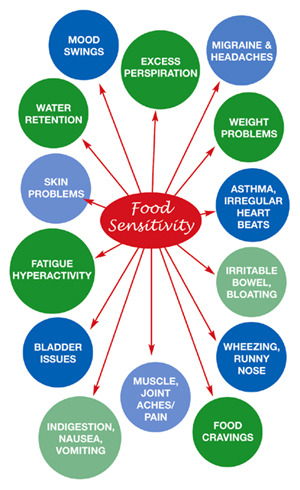
People who have a food intolerance tend to experience:
According to research, food intolerance has been associated with irritable bowel syndrome and inflammatory bowel diseases such as Crohn’s disease.
What is the difference between food allergy and food intolerance?
The food is extremely important to health and the body can react to certain foods in a negative way, causing the body to have an inflammatory reaction.
There are two levels of reactions, food allergy and food intolerance.
Food allergy can be an abnormal immune system response, which can cause anaphylactic shock and difficulty breathing.
Food intolerance is an adverse reaction to a food that does not involve the immune system and the reactions can be immediate or delayed up to 20 hours after a food is eaten.
Is there a test which can determine food intolerances?
There are no medical tests that can be identified or established to provide an accurate view of particular food types that a person may have an intolerance to.
Usually, people advised to take a food diary and to note any symptoms they may experience after consuming any types of food.
This would provide them an overview of foods they may have an intolerance to.
Unfortunately, this method takes time and may not be very accurate.
Bioresonance therapy can provide a more effective and accurate method of testing for food intolerances.
It is possible to test for over 200 foods in less than 30 minutes.
The accuracy is around 85% and is an efficient and cost-effective way of testing for this critical health parameter.
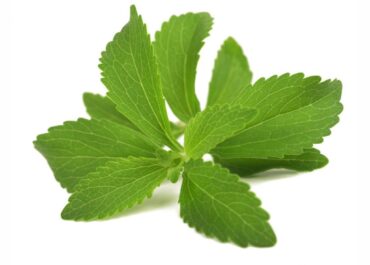
The stevia plant (Stevia Rebaudiana bertoni) is a leafy, green plant, indigenous to South America and originates from the sunflower family (Asteraceae).
It was originally used as a natural sweetener by indigenous populations in Paraguay and Brazil.
Stevia is a no calorie sweetener which is associated with several health benefits.
Where does Stevia’s sweet taste come from?
The sweet component within stevia leaves comes from a group of compounds called steviol glycosides.
Steviol are naturally found in the stevia plant.
Some commonly used steviol glycosides are rebaudioside A (also known as Red A or Rebiana), rebaudioside D (also known as Red D) and stevioside.
To date, more than 40 different steviol glycosides have been identified in the stevia plant.
Each of these steviol glycosides has its own unique taste profile and sweetness intensity.
This can be up to 350 times sweeter than sugar, but all share a similar molecular structure where different sugar moieties are attached to aglycone steviol (an ent-kaurene-type diterpene).
Purified stevia leaf extracts can taste different depending on which steviol glycoside is present and manufactures are actively researching the best tasting varieties.
What are the Health Benefits of the sweetest sweetener?
A lot of research shows that using the whole leaf of stevia, can have great health benefits.
The benefits of stevia are numerous:
350 times sweeter than sugar
natural origin
sustainability
zero calories
zero glycemic load
anticancer ability
regulate glucose levels
Anticancer Abilities
In 2012, Nutrition and Cancerhighlighted a ground breaking laboratory study that, for the first time ever, connected stevia consumption to breast cancer reduction.
It was observed that stevioside enhances cancer apoptosis (cell death) and decreases certain stress pathways in the body that contribute to cancer growth.
It was discovered that rats treated with 250 and 500 milligrams every day “significantly”:
reduced fasting blood sugar levels
balanced insulin resistance, triglycerides and alkaline phosphatase (which can be raised in cancer patients)
Stevia is used as a sugar substitute, especially in diabetics, because its sweet component stevioside is not broken down or absorbed in the body.
Stevia as a glucose stabilizer also promotes healthy pancreas function.
Stevioside can increase the insulin sensitivity which can helps with the blood sugar regulation.
Supports weight loss
Stevia is a calorie- free sweetenerand can be used as a substitute of sugar.
Stevia helps in reducing the amount of energy consumed without sacrificing sweetness.
Research has shown that there is no accumulation of stevia (or any by-product of stevia) in the body during metabolism.
Improves cholesterol levels
A study (2009) showed that stevia extract had positive and encouraging effects on overall cholesterol profiles.
Researchers found that there were no adverse stevia side effects on the health status of the subjects involved in the study.
Researchers concluded that the extract effectively:
decreased elevated serum cholesterol levels
including triglycerides and LDL (“bad cholesterol”)
increasing good HDL cholesterol
Lower blood pressure – Hypertension is the most common heart disease and affects many people around the world.
In particular, stevia can help to reduce low blood pressure in people suffering from hypertension.
As a result, you can add a cup of stevia tea to your daily routine in order to maintain a healthy blood pressure level and reduce the risk of cardiovascular disease.
Relieves digestive problems
Plant glycosides have a soothing effect on the irritated gastric mucosa, making it an active ingredient for treating digestive problems and heartburn.
Once consumed, they pass through the upper gastrointestinal tract, including the stomach and small intestines, fully intact.
Although, once steviol glycosides reach the large intestine, colonic bacteria remove all of the glucose units, leaving only the backbone, steviol.
In humans, steviol is absorbed into the body, quickly modified in the liver, and excreted in the urine as steviol glucuronide.
How to use Stevia?
The best quality stevia will have no additives, including other sweeteners and does not contain any colourings and is a non- GMO certified.
Not to mention, the sweetest sweetener it is available in both powders and liquid forms, but they have found that the liquid form is much cleaner, without additional additives and excipients.
Additionally, it is also easy to add to beverages and smoothies, as well as using it in cooking.
Moreover what is the analogy in terms of the dosage:
Find out how drinking water can help your body and your cells!
Water may not be our most exciting and sweet beverage such as coffee, but you literally can’t live without it.
The human body consists of 70% water and our blood is 90% water.
Even hard substances like bones (20%) and teeth (5%) have some water.
Depending on your age, your body can be anywhere from 55% to 75%.
A baby is 75% while a very old person is 60% or less.
Obese people have less body of water than lean muscular people because fat cells are only 25% water while muscles are 75%.
Water is so vital to our survival that we cannot live without it. It is literally a “river of life” flowing inside us.
How much water do you need to drink?
Our sizes, activity, metabolism, diet, physical activity, and health are all factors that shows how much water do we need.
You should drink half your body weight in litres of water every day to provide your body with its MINIMUM water replacement requirements as long as you are reasonably fit.
Otherwise start by sipping the water and gradually build up.
The amount of water you drink needs to increase if you are active or outside in hot or humid weather.
To determine if you’re getting enough water in your day, you can try the urine colour test to evaluate how you’re doing on drinking up.
After going to the bathroom, look at the colour of your urine.
If it is very pale yellow to light yellow, you’re well hydrated.
Darker yellow is a sign of dehydration.
Brown or cola-coloured urine is a medical emergency, and you should seek medical attention.
As the Mayo Clinic notes, the National Academies of Sciences, Engineering, and Medicine recommends that men consume 3.7 liters (15.5 cups) and women get 2.7 liters (11.5 cups) of fluids per day, which can come from water, beverages in general, and food (such as fruits and vegetables).
How to maintain a healthy percentage?
It is essential to drink enough water to support all functions of the body.
We get enough fluids from our food and beverages throughout the day.
Choosing water instead of sugar – sweetened beverages
Choosing water when eating a meal out
Adding a wedge of lemon or lime to water to improve taste
Add a wedge of lime or lemon to your water, this can help improve the taste and help you drink more water than you usually do
What are the functions of water?
Water plays a vital role in nearly every bodily function.
Water is essential for proper digestion, nutrient absorption and chemical reactions.
A hydrolytic role in all aspects of body metabolism – water-dependent chemical reactions (hydrolysis).
At the cell membrane, the osmotic flow of water through the membrane can generate “hydroelectric energy” (voltage) that is converted and stored in the energy pools in form of ATP and GTP – two vital energy systems.
Water also forms a particular structure, pattern and shape that seems to be employed as the “adhesive material” in the bondage of the cell architecture.
Like glue, it sticks the solid structure in the cell membrane together.
It develops the stickiness of “ice” at higher body temperature.
Products manufactured in the brain cells are transported on “waterways” to their destination in the nerve endings for use in the transmission of messages.
There seems to exist small waterways or micro streams along the length of nerves that “float” the packaged materials along “guidelines” called microtubules.
Proteins and the enzymes of the body function more efficiently in solutions of lower viscosity – this is true of all the receptors in the cell membranes.
Although is essential for proper circulation in the body, and flexibility of the blood vessels.
Water helps remove toxins (acidic waste) from the body, in particular from the digestive tract.
Water regulates your body’s temperature, imagine a car running without water in the radiator.
Consistent failure to drink enough water can lead to Chronic Cellular Dehydration.
This condition where the body’s cells do not get hydrated enough leaving them in a weakened state, and vulnerable to disease processes.
It weakens the body’s overall immune system and leads to chemical, nutritional and pH imbalances.
Dehydration can occur at any time of the year,not only during the summer months when it is hot.
The dryness that occurs during winter can dehydrate the body quicker than when it is hot, one of the main causes being central heating and a dry atmosphere in the home.
The other being not drinking enough water. Many diseases such as Cholera are caused primarily through dehydration.
Daily loss of Fluids
We need a constant supply of water because our bodies lose a substantial amount every day.
Studies have found that we lose from 8 to 10 cups of fluid a day through our sweat, urine and breath.
It is difficult for the body to get drinking water from any other source than water itself.
Soft drinks and alcohol steal tremendous amounts of water from the body, however, even other beverages such as coffee, milk and juice require water from the body to be properly digested.
Are there any factors that affect water requirements?
Higher dietary intake of salt and sugar increase fluid requirements
Higher intake of caffeine and alcohol increase fluid requirements
Environmental temperature – Summer heat increases sweat production and water losses
Activity – increased sweat production and resultant loss of body water.
According to the Center for disease control and prevention, a parasite is an organism that lives on or in a host organism and gets its food from or at the expense of its host. The three main classes of parasites that can cause disease in humans are the protozoa, helminths, and ectoparasites.
Do we have intestinal parasites?
According to the Journal of Bacteriology and Parasitology ”Intestinal parasites are organisms that live in the gastrointestinal tract of animals, including humans”.
Parasites can live within the intestines for years without causing any symptoms. The two main types of intestinal parasites are helminths and protozoa.
Parasitic infections may be caused by intestinal helminths and protozoa. In developing countries protozoa parasites more commonly cause gastrointestinal infections compared to helminths.
Parasites – uninvited guests can cause a variety of symptoms such as fatigue, constipation, diarrhoea, vomiting, heartburn, stomach pain and loss of appetite.
Parasites can sometimes appear as digestive problems. For example, chronic diarrhoea is a common sign of parasites, but they can also cause a wide variety of other symptoms, such as: abdominal pain allergic reactions to foods, anaemia, bloating, bloody stools, chronic fatigue, constipation, cough, gas, Irritable Bowel Syndrome (IBS,) itching joint and muscle aches, nervousness, hives, infected gums, mucus in the stools, poor immune response, rashes, sleep disturbances, teeth grinding, fever and unexplained weight loss.
Parasites can deplete the body of nutrients such as vitamins A, B6, B12, potassium, calcium, and magnesium and overwhelm the immune system, which can lead to severe illness.
Symptoms can come and go depending on the life cycle of the parasite involved. Parasites are a “hidden” disease, because most people who have parasites don’t know it.
In addition, pets too can act as parasite hosts and pass them on to humans. Young animals, such as puppies and kittens, are more likely to be infected with ascarids and hookworms.
According to official CDC data: ”Trichomonas is the most common parasitic infection in the USA, accounting for an estimated 7.4 million cases per year. Giardia and cryptosporidium are estimated to cause two million and 300,000 infections respectively in the US annually”.
Cryptosporidiosis is the most frequent cause of recreational water-related disease outbreaks in the US, causing multiple outbreaks each year.
There are an estimated 1.5 million new toxoplasma infections and 400 to 4,000 cases of congenital toxoplasmosis in the US each year; 1.26 million persons in this country [US] have ocular involvement due to toxoplasmosis; and toxoplasmosis is the third leading cause of deaths due to food-borne illnesses (375+ deaths).
In the EU, the European Food Safety Authority (EFSA) was set up in January 2002 following a series of food crises, which have hardly subsided since then: mad cow/ sheep/goat disease, foot-and-mouth disease, bird flu and so on.
In its latest report, the EFSA says the most commonly reported zoonotic infections in humans in the EU are, by far: ‘… those caused by bacterial zoonotic agents that can be shed by asymptomatic farm animals: the 2004 data indicates salmonellosis (192,703 reported cases) and campylobacterosis (183.961) – followed by yersiniosis (10,381), human listeriosis (1,267), parasitic zoonoses is 2,349 (trichinellosis, toxoplasmosis and echinococcosis put together).
Parasites, thus, are everywhere and in their most pathogenic states cause havoc in body, mind and spirit, with doctors responding with a range of treatments intended to suppress the symptoms, while failing to attack their source – the parasites themselves.
Researchers are beginning to see how parasitic infections may mimic or be involved in diseases such as rheumatoid symptoms, chronic fatigue syndrome, crohn’s disease, ulcerative colitis, Irritable Bowel Syndrome, diarrhoea and arthritis.
So, what can we do about these parasites we carry?
If you want to eliminate of the parasites, you will need to follow a detox diet and a proper supplement protocol, take some herbs to eliminate parasites that we are accumulating from our food and environment on a daily basis.
We need to be answered the question ‘’Are we what we eat’’?
The truth is that ‘’We are what we eat and what we absorb’’.
The digestive system is one of the most important systems in the body.
You cannot absorb nutrients that are vigorous for health if this essential part of your digestive system is:
destroyed by antacids
you were born with a tendency to low stomach acid
if your stomach has been damaged by junk food, alcohol, tobacco, stress and drugs
Betaine HCL increases the level of hydrochloric acid in the stomach necessary for proper digestion and assimilation of nutrients from food.
Normal levels of hydrochloric acid are required for complete digestion of proteins and absorption of amino acids.
It’s also required for the extraction of vitamin B12 from our food.
Betaine HCL helps to restore the proper acid levels in the stomach and maintain healthy gastrointestinal function.
Hypochlorhydria (Low Stomach Acid)
Hypochlorhydria, also referred to as low stomach acidity is a serious medical condition that is often undiagnosed or is misdiagnosed as Hyperchlorhydria (excessive stomach acid).
Because this condition is often undiagnosed, or the symptoms are assumed to be caused by a different issue, the actual number of people who are affected by Hypochlorhydria is unknown.
Many reports on the prevalence of low stomach acid estimate that about 30% of adults under the age of 40 are suffering from this condition with that number rising to over 75% among adults aged 70 and over.
Many natural medicine physicians estimate that the likehood of having Hypochlorhydria roughly matches one’s chronological age:
50 -year olds have a 50% chance of having the condition
60% of 60-year olds and so on.
There are two main consequence of low stomach acid:
You become protein malnourished. When your stomach acid is low, you are not able to digest protein.
You become mineral deficient. As your blood becomes more acidic, it will look for minerals from anywhere in your body, in order to get your blood to its more ideal alkaline state.
Acidic blood robs your body of minerals, even taking minerals from your bones (which is important to know if you want to prevent osteoporosis).
Remember if your stomach is not producing enough stomach acids then in its attempt to digest concentrated protein, it will keep the food in the stomach for much longer periods than normal.
The symptoms of low stomach acid are:
Bloating, belching and flatulence immediately after meals
Heartburn
Undigested food in stools
Acne
Rectal itching
Indigestion, diarrhoea or constipation
Multiple food allergies
Iron deficiency
Adrenal fatigue
Dry skin
Various autoimmune disease
What are the ways of increasing stomach acid?
Reduce or eliminate sugar
You need to replace mineral- depleting sugar and sweeteners with stevia.
Add fermented foods and drinks to your diet
Fermented foods and drinks keep you looking and feeling healthy from the inside out.
Some examples of fermented foods and drinks are cultured vegetables and coconut kefir.
Eliminate processed foods
As you eat a healthier diet, you will find your digestion improving.
You may notice that you experience heartburn relief, less indigestion and improved energy.
Supplementation of Betaine with HCL acid
Low stomach acid can result in undigested food and bacterial overgrowth in the small intestine.
Supplementation with BETAINE HCL will increase and normalize stomach acid production, aid digestion, and improve nutrient absorption.
Note: Do not take Betaine HCL or other hydrochloric acid supplements if you are taking any kind of pharmaceutical or over the counter anti-inflammatory drugs such as aspirin, anti-inflammatories or cortisone as this may aggravate and inflame the lining of the stomach.
Detoxification is an important aspect of optimal health and has become a household word and a colloquialism that could mean anything from drinking a glass of carrot juice to entering a detoxification centre if you are an alcoholic or drug addict.
Detoxification is the process of removing the toxins that have been accumulating in the body tissues and organs throughout a person’s life.
These toxins will have been acting as metabolism blockers by literally poisoning the cells and not allowing them to function correctly.
You can have toxins stored in your body for years without experiencing any negative symptoms.
It is only when the toxin levels become too high that you start to feel ill.
Where are the sources of toxins?
The toxins come from many sources such as:
Exogenous toxins: are those that enter our bodies from the outside, i.e. food additives, pesticides, herbicides, fungi from food, industrial pollutants, viruses, bacteria, parasites and electromagnetic pollution such as X-rays, electromagnetic radiation and geopathic stress.
Endogenous toxins: toxins that are found or generated within the human body.
This can occur when the body’s normal metabolic mechanisms function inefficiently.
For example, it typically takes several steps to convert the amino acid methionine into cysteine.
If one step is sluggish, an intermediate called homocysteine accumulates in tissues.
Accumulation of homocysteine can damage the vascular system and contribute to heart disease.
Autogenous toxins: are generated within the body from miasmic influences, which are inherited tendencies that can pass through up to seven generations.
Examples of these are psora, sycosis, tuberculosis, syphilinum and others.
There is no detection of these pathogens with scientific testing, but their deep presence can affect the body’s organs, primarily by inhibiting a good immune response and lowering its resistance.
What are the benefits of a detoxification process?
The digestive tract is cleansed of accumulated waste and fermenting bacteria.
Liver, kidney, and blood purification can take place, which is not possible during regular eating patterns.
Mental clarity is enhanced as chemical and food additive overload is reduced
Reduced dependency on habit-forming substances such as sugar, caffeine, nicotine, alcohol, and drugs
The stomach size is returned to normal as bad eating habits are stopped
The hormonal system is enhanced which is especially true for growth hormones
The immune system is stimulated.
Is there any way to detoxify my body?
There are natural, gentler ways of detoxifying the body of heavy metals and other xenobiotics.
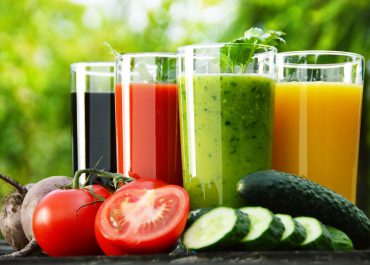
The best way to started is an alkaline detox diet for 14 consecutive days including fresh fruit and vegetables, salads, freshly squeezed vegetable juices and smoothies, steamed vegetables, vegetable soups and germ seeds.
This means that you ONLY eat these foods for the duration, most of which will be rich in the live enzymes, which are the tools required to flush out the toxins from the body.
You must be patient and put your mind to it.
We strongly suggest that you try to eat as many raw fruits and vegetables as possible, including at least 1-3 fruit and vegetable juices daily.
Carrot juice has a strong effect on:
the digestive system
provides energy
serves as an important source of minerals
promotes normal elimination
has diuretic properties
helps to build healthy tissue, skin and teeth
We also encourage the use of green juice mixed with carrot juice and beetroot.
This can be anything from fresh:
parsley
lettuce
kale
collard greens
Swiss chard
alfalfa
cabbage
spinach
turnip greens
watercress
celery
cucumber
green pepper
scallions
coriander or any other green vegetable in season
All green vegetables contain chlorophyll, which is very oxygenating for the body.
It is also an effective antiseptic, cell stimulator, red blood builder and rejuvenator – therefore, helping to remove toxic sludge faster.
Greens are also super-rich in live enzymes.
Each meal should begin with raw fruit or vegetables, seasoned with a little lemon, ginger, garlic, coconut or desired herbs.
This way, they are available for digesting the fat, protein, and carbohydrates from the meal that follows.
The enzymes in vegetables control or restrict the amount of waste deposited on your adipocytes.
These are the foods that are allowing during the detoxification phase – no other family of foods is allowed.
You may eat as many of the following foods as you wish, but it is best to eat only when you feel hungry.
Wash all fruit and vegetables in a bowl of water with 4-5 tablespoons of grape vinegar added (not apple cider vinegar), to help wash away any pesticide/herbicide residues.
Rinse afterwards with clean water.
Here are the foods that you can eat in plenty – in fact, the more you eat and drink, the quicker you detoxify.
We cannot emphasize just how important the detoxification diet is to your success!
Are there any side effects during the detoxification process?
When the body detoxifies, it goes through various biochemical and physiological changes.
Generally, on the first day of fasting the blood sugar level is likely to drop below 65-70 mg/dl.
The liver immediately compensates by converting glycogen to glucose and releasing it in the blood.
After a few hours, the basal metabolic rate is likely to fall to conserve energy.
This means that the heart, pulse and blood pressure will drop.
More glycogen may be used from muscles, causing some weakness.
As the body requires more energy, some fat and fatty acids are broken down to release glycerol from the glyceride molecules and are converted to glucose.
You may notice the skin becoming quite oily as these fatty acids and glycerol increase in the blood.
The skin is one of the largest detoxification organs, so you may get some skin problems such as pimples, acnes or a pussy boil – this is all part of the body trying to cleanse.
The complexion may become pallid for a day or two as the wastes accumulate in the blood.
The incomplete oxidation of fats may result in the formation of Ketones resulting in ketoacidosis.
Combined with high levels of urea, resulting from protein metabolism, this state can cause several symptoms which may suppress appetite, they affect the satiety centre in the hypothalamus.
Generally, this takes a few days to happen and you may notice your appetite dwindling.
You may get pains in different joints, or organs such as the lungs.
There may be a considerable amount of yellow mucus released from the throat and expelled.
The sinuses may also begin clearing with more mucus secreted.
Given that the body is releasing these toxins quickly during the first few days of the detoxification process, it should not surprise you to experience some changes in your body that may cause certain symptoms.
Initially, for the first 2-3 days these symptoms can be a little unpleasant,
SO BE WARNED!
This may include:
headaches
nervousness
diarrhoea
upset stomach
energy loss
furry tongue
halitosis (bad breath)
acne or other skin rashes
general feeling of malaise
frequent urination due to the toxins irritating the bladder and some of their existing symptoms may be exacerbated.
All these symptoms indicate that the DETOX IS WORKING!
Stay with the detoxification process, and allow yourself time to rest, particularly during the first few days.
It is best starting on a Friday, given that you will have the weekend at home to get organized and rest when you need to.
We do not recommend vigorous exercise during this initial period, but a 20-30-minute walk with a friend or loved one in an open-air park is fine.
You need to conserve your energy levels for the detoxification process.
Under normal circumstances, the body uses 80% of its energy for detoxification.
This is a substantial amount, and this will increase during the 14 days of this intensive detox programme.